Case study · Visual development
It started with one image
I work with a wide variety of artists in a wide variety of mediums. Martin Michael is a filmmaker, producer and writer who lives in my community.
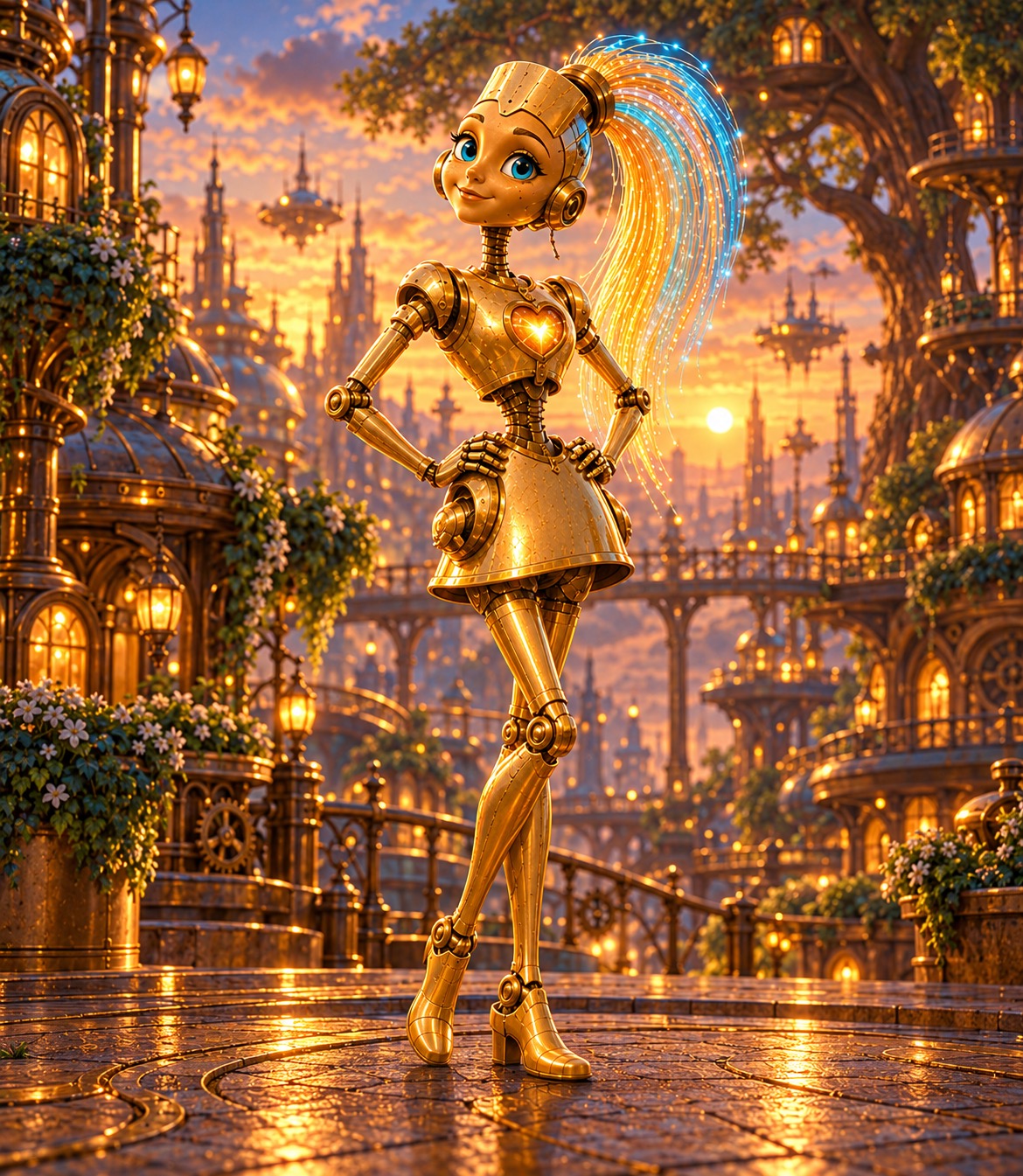
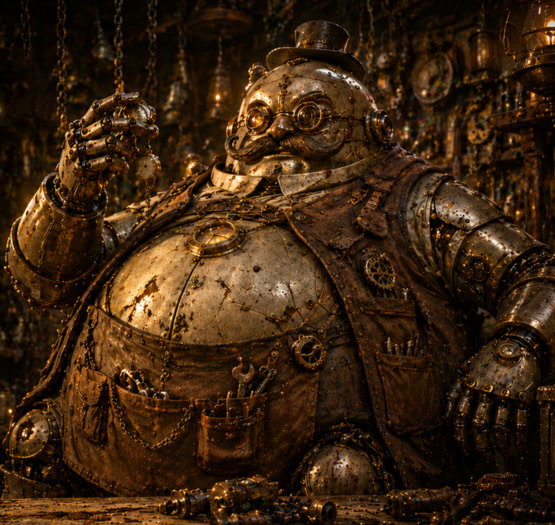
One evening I bumped into Martin on a stroll and we chatted for a few minutes. I asked what he was working on, and he showed me an image from a passion project he wanted to bring to life. I offered to try something on spec. The next day he sent me the image of Grace.
What it led to
I wanted to see how Grace might move and what the world around her could look like.
A 24-hour challenge
I’m eternally curious about how things work and what I’m capable of. I gave myself 24 hours with that one image. I strung together the multimedia tools I had into a workflow to see what I could make and what options that would give us.
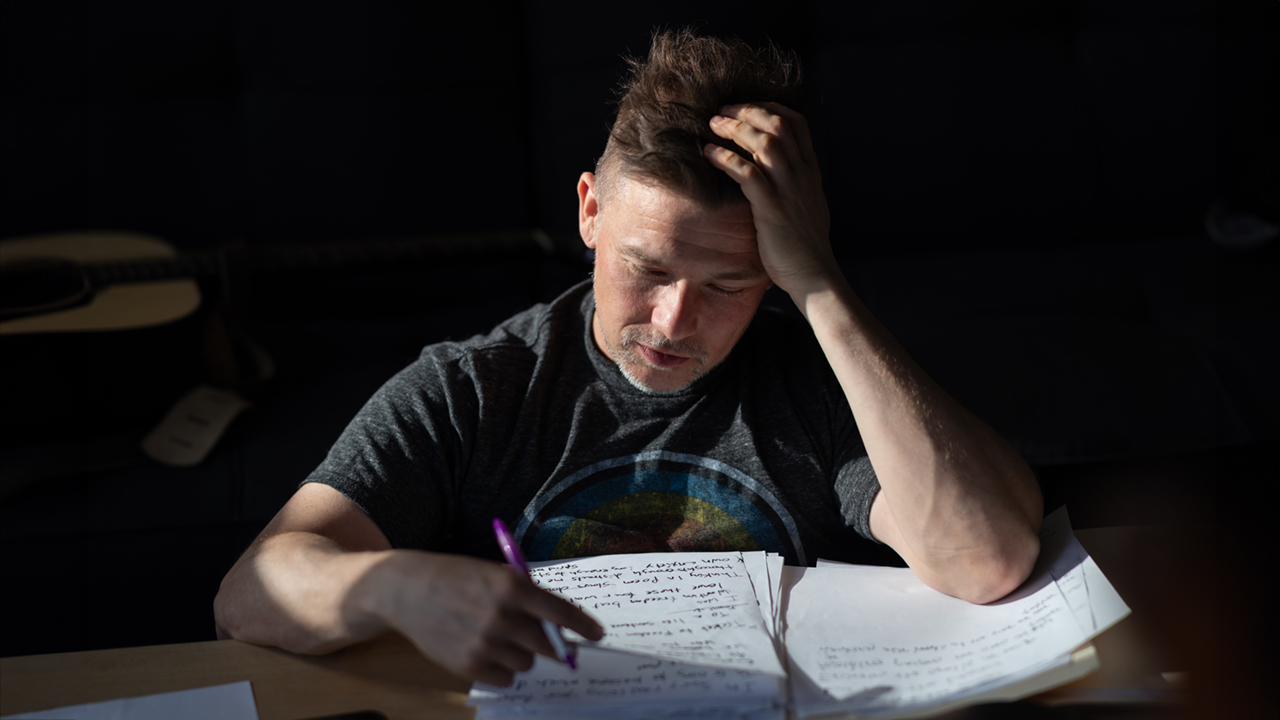
Source, reference, motion
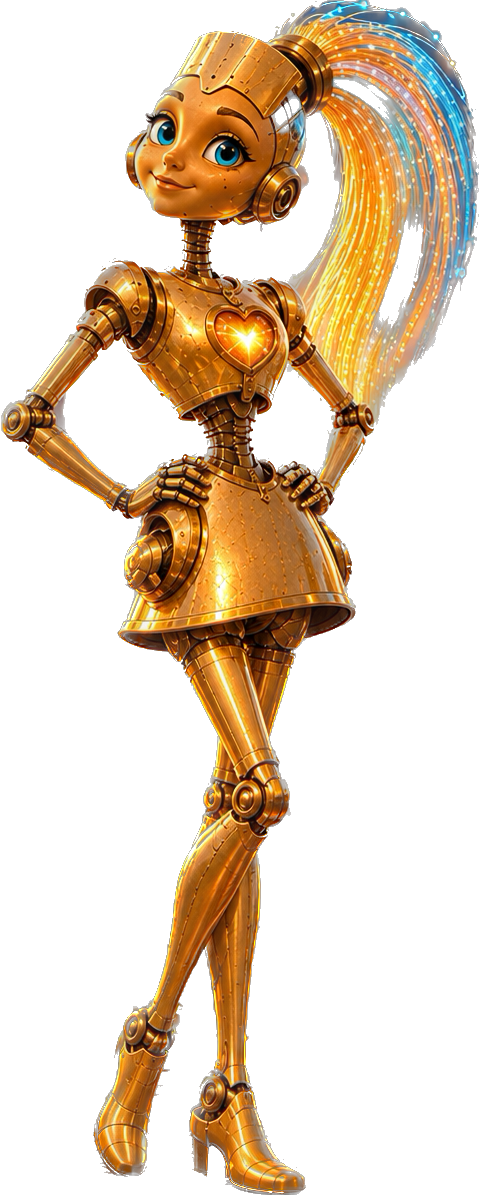
A look back at how the preview was built from the isolated reference.
First movement
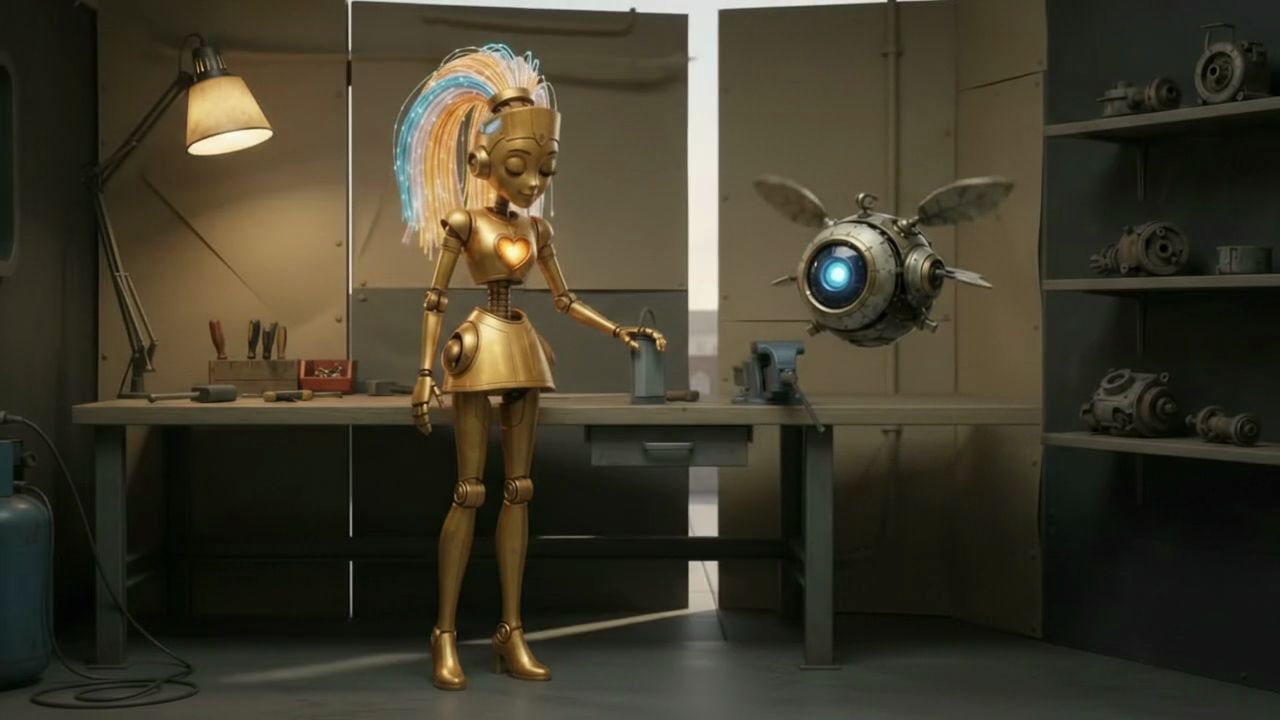
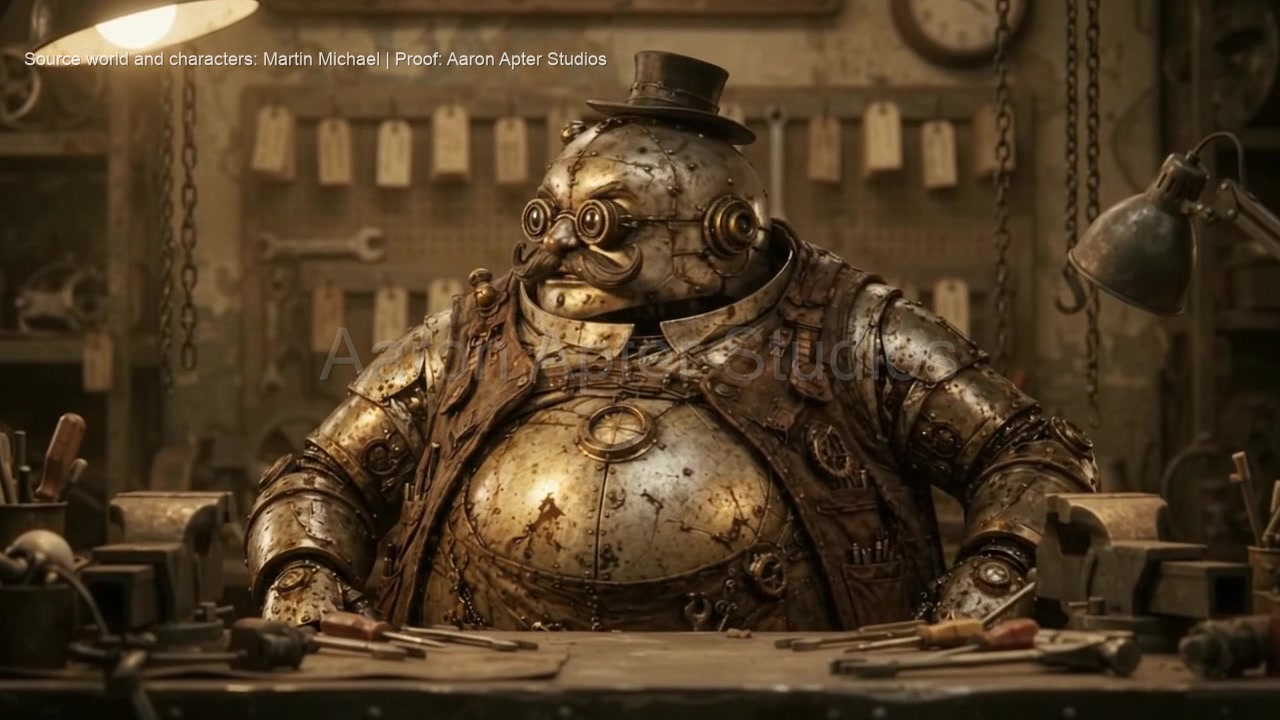
Before I got much further, I wanted to figure out the physics of the world. I put two characters against a plain gray background to see how they’d move together. It gave me something I could show Martin early and get his feedback on.
Refining the shot
I tried two ways of staging the same workshop shot. I was looking at the framing, what was around the characters, and how they moved.
More of the cast
Two studies of Giorgio: a look and acting test, and a boarding take I set aside.
Booster, in development
With Booster, I wanted to give Martin a few ways the scene could move and a few different looks to consider, down to what the characters might wear.
Reference and study
Movement and voice
A rough scene
Other takes
I like to give the artist a few ideas early, before I get too attached to any of them. If I spend too long refining a character, I can be a little heartbroken when they decide to go another way. I’m trying to see where their idea could go. A few rough takes give us something to look at together and decide what to try next.
The world around them
My direction, edited from project notes
Explore the world where the character lives. Keep the workshop-to-terrace transformation we liked, and build outward from it.
How the work is organized
I realized I needed to build a small production house. I put together a team of agents, trained them myself, and worked out how they’d hand things off to each other. I set the direction for the shots and reviewed what came back before deciding what to keep.
-
Aaron Sets the direction and the brief
-
Specialist teams, in parallel Each team is a lead with sub-workers
-
Character & look Team lead
- Sub-worker
- Sub-worker
-
World & scene Team lead
- Sub-worker
- Sub-worker
-
Motion & timing Team lead
- Sub-worker
- Sub-worker
Leads coordinate with each other across teams
-
-
Assistant manager Collects the results and routes them to the manager
-
Manager Approves work and passes it up to Aaron
Not approved: sent back up to the team leads
-
Aaron Final creative review
Work with me
If you have a concept you would like to see moving, I’d be glad to talk.