Artwork by Aaron Apter
The Anatomy
of Anxiety
Artist’s notes
How I got here
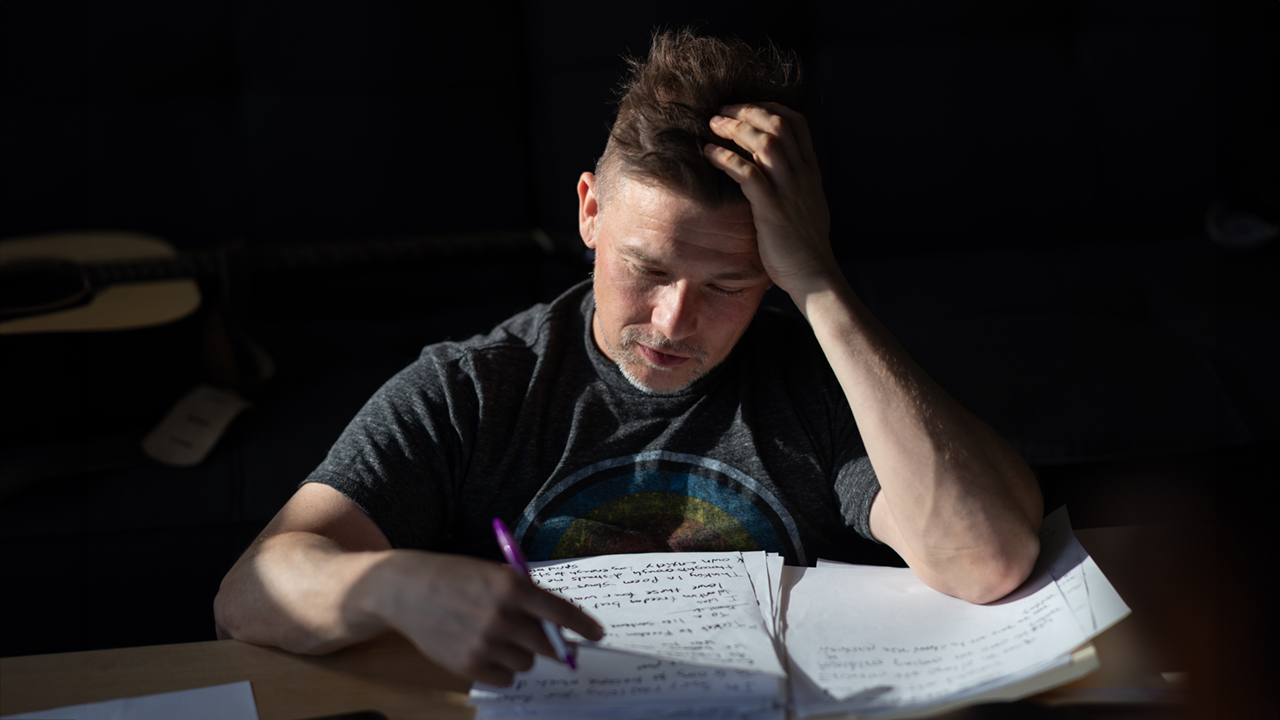
Throughout my life, I’ve used sight, sound, and words to document not just the daily events in my immediate world, but also how those external events impacted my internal state. As I move through new phases in life, I’ve begun to realize how overwhelming my own internal narratives are and how they influence my perception of the surrounding world. During the COVID pandemic in 2020, I began journaling as a regular practice to stay grounded at a time when many of our daily routines were suddenly upended in dramatic fashion. What I thought was a desire to document my life turned out to be an almost compulsive urge to understand the only constant throughout the chaos: the self.
By 2023, I’d moved from Chicago to Nashville and begun to explore parts of myself I’d kept hidden, for better and worse. A songwriter friend I frequently texted with once asked me if I was a songwriter. When I said no, she told me she’d assumed I was one simply based on our written communications via text. We ultimately wrote a few songs together, and I started discovering poignantly powerful prose in my journal entries from years past. I started mining these journals for lyrics, but the thought of tirelessly searching through mountains of files scattered across multiple email accounts and hard drives was enough to dissuade me from using them for anything other than a simple novelty.
What held me back was the executive function required to perform the mind-numbing administrative work around the art, like maintaining spreadsheets and building a website from scratch. I started learning systems engineering and coding so I could develop my own tools for sorting files and keeping up with email. Getting the material into one place was like putting all of my creative ideas into a pile, as if they were individual Lego pieces of one giant set. I could start building without pulling my hair out looking for the rest of the set.
Chaos Brain
Looking for lyrics
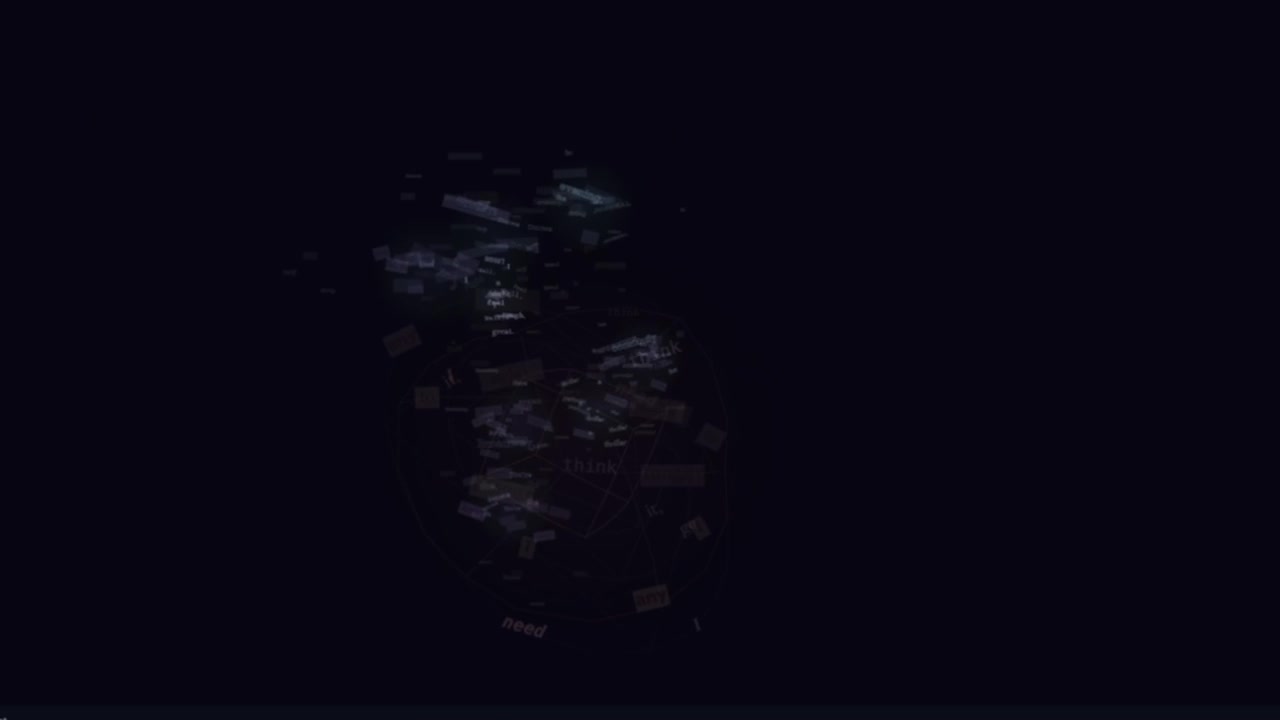
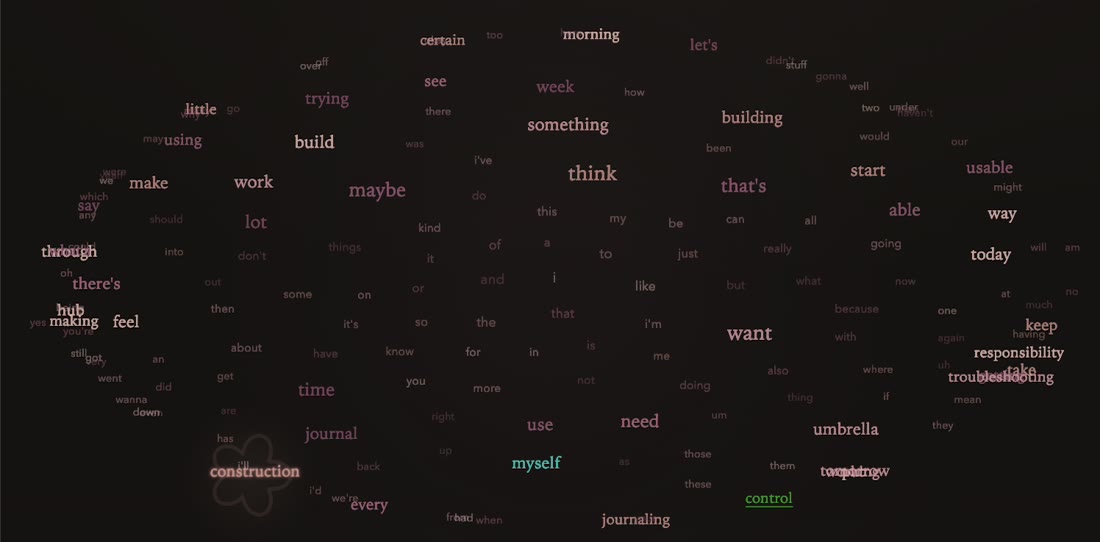
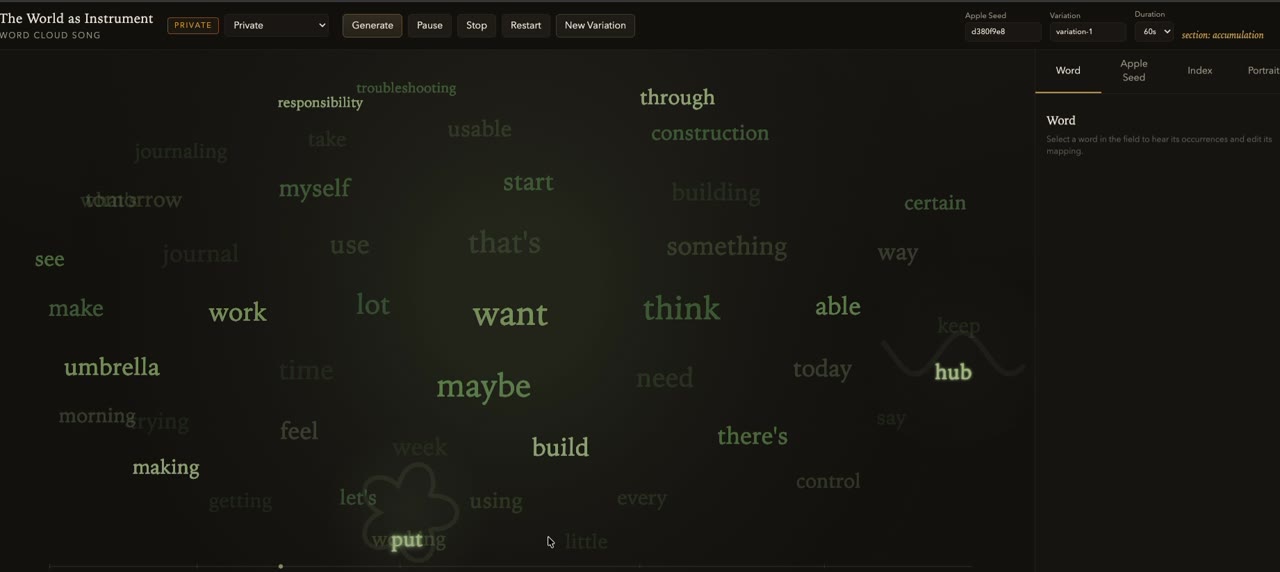
I was still unsure of myself as a songwriter, so I employed a technique that many other writers have utilized: building word clouds from their piles of unused lyrics. But instead of lyrics, I used my journals. The more often a word appeared, the larger it appeared in my word clouds. Sometimes you need to zoom out to notice something intricate.
My initial thinking was that I’d find some holy grail of untapped genius that would lead me to a bunch of amazing songs. What ended up happening was me toiling away at code and organization for weeks, only to see those first clouds filled with troves of unrelated words organized in a bland fashion. I was uninspired.

What I hear in a voice
That exercise led me to examine how I connect with a song. What are the elements that touch me the most? While I love lyrics, I’ve always been more drawn to prose when I read. Sometimes I hear the human voice almost as another instrument or ingredient in the mix. I hear the texture and the tone, not necessarily the words. There’s as much information in the little lilt in somebody’s voice as there is in the words. It’s just a different method of communicating the same information. Much like one can hear music without knowing the notes, the sound of our voice is both informative and musical.

This was reinforced in 2025 when I was documenting a week in my life as a Nashville musician for my YouTube channel. While I was filming a narration shot, I let my mind go down a wormhole, which led to experiencing a panic attack on camera. I’m always interested in documenting reality and sharing that reality, and when I reviewed that video, it was beyond compelling. I put music over it, and the sound of my voice, the pacing, and the phrasing all seemed to sync seamlessly with the music. I didn’t even need to hear what the words were. I could hear the distress, anxiety, and discomfort in my voice. I watched it again and again, and it was as captivating as it was uncomfortable.
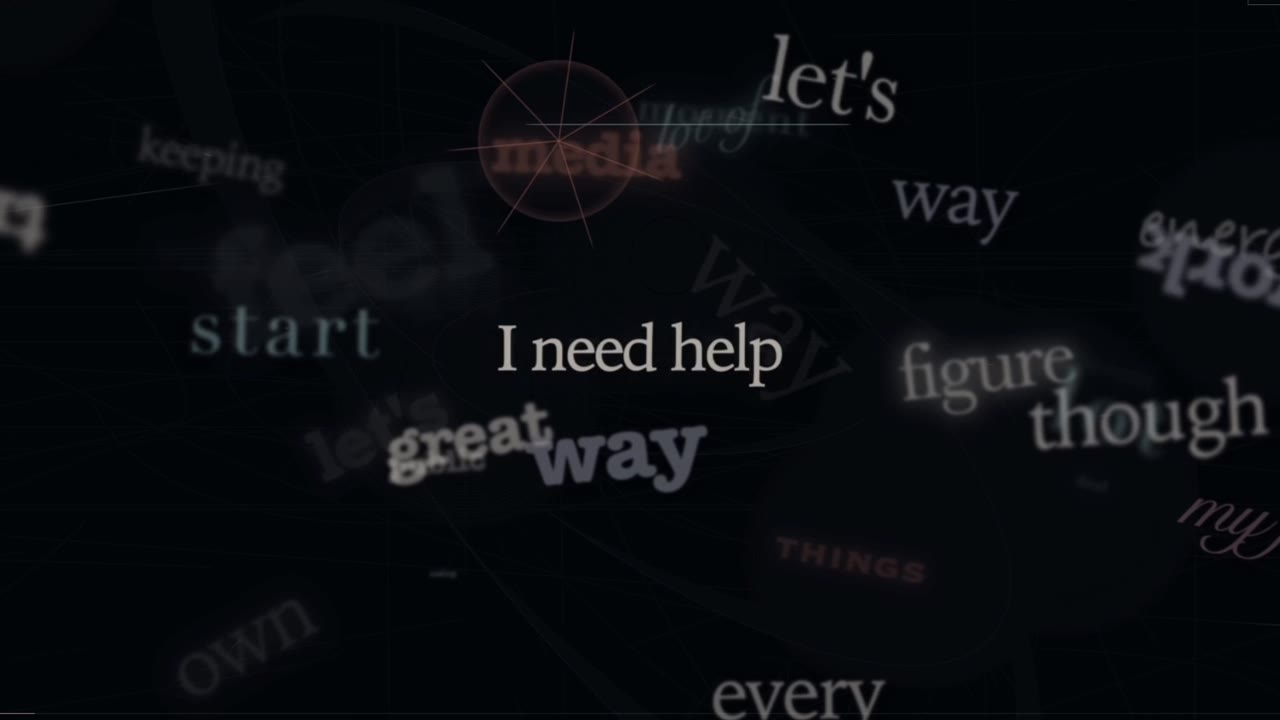
I was torn on whether I should share that clip in the video because I was worried not only that I lacked objectivity, but also that people would be more attracted to the spectacle of it all than to the actual human experience. Along with my crippling self-doubt, that was one of the main reasons I decided never to release it. But the power of that video stayed with me as I began to wonder what would come through.
Chaos Brain
Internal friction
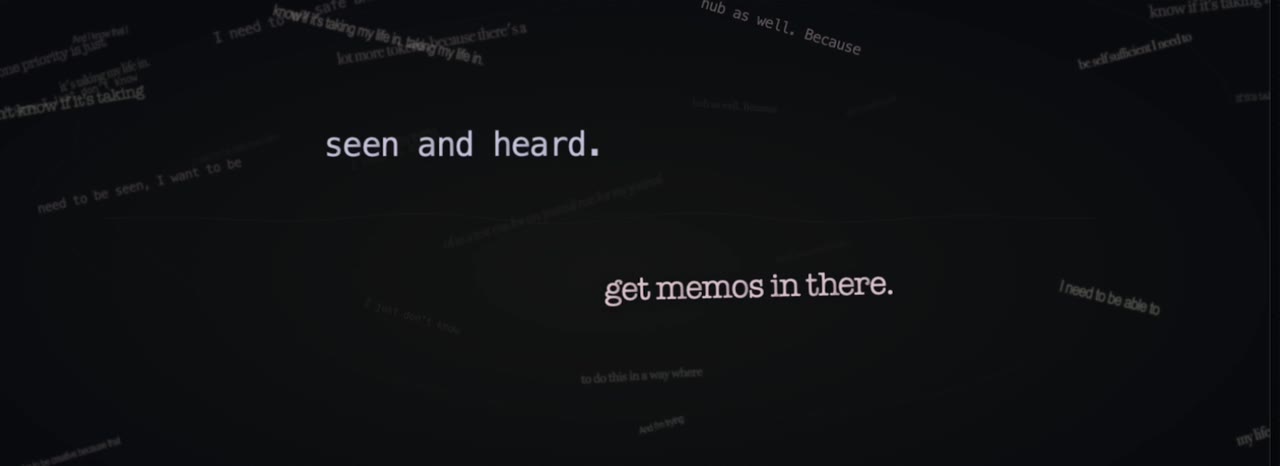
Ideas are always competing in my brain. I wanted a quick, easy way to demonstrate how competing thoughts occur in my head and how one wins out. I wanted to keep building these competitions into something involving more than one or two thoughts, but first I needed to start with the simple seeds of internal friction.
A closer look at the studies
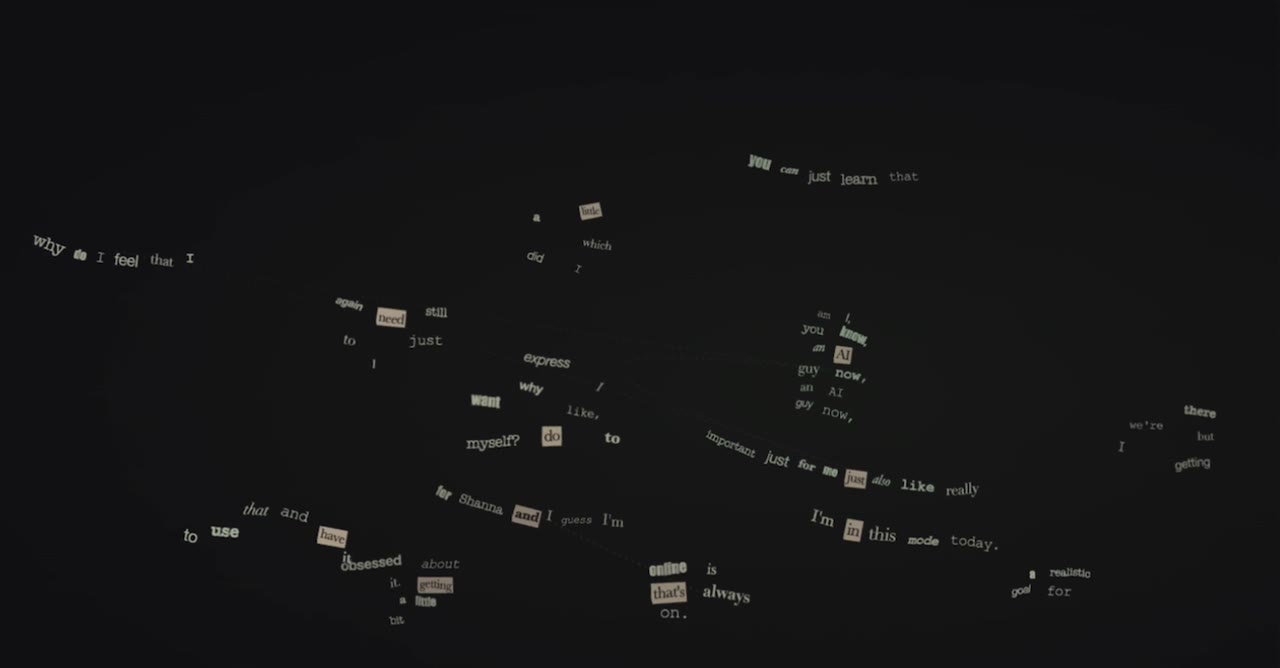
In the Corridor, words return, overlap, and fade as sound builds alongside them. A keyboard lets me play into the piece while it runs.
Live performance
Playing with the recordings
I engineered a way for the words generated from my journals to affect the color of the images, the quality of the sound, and the harmony, with those elements also affecting one another. Each note has different triggers and variables, so when I play, I’m also guiding what happens. I can drive it in a particular harmonic direction. It’s like playing my journal as a song.
Word Hole
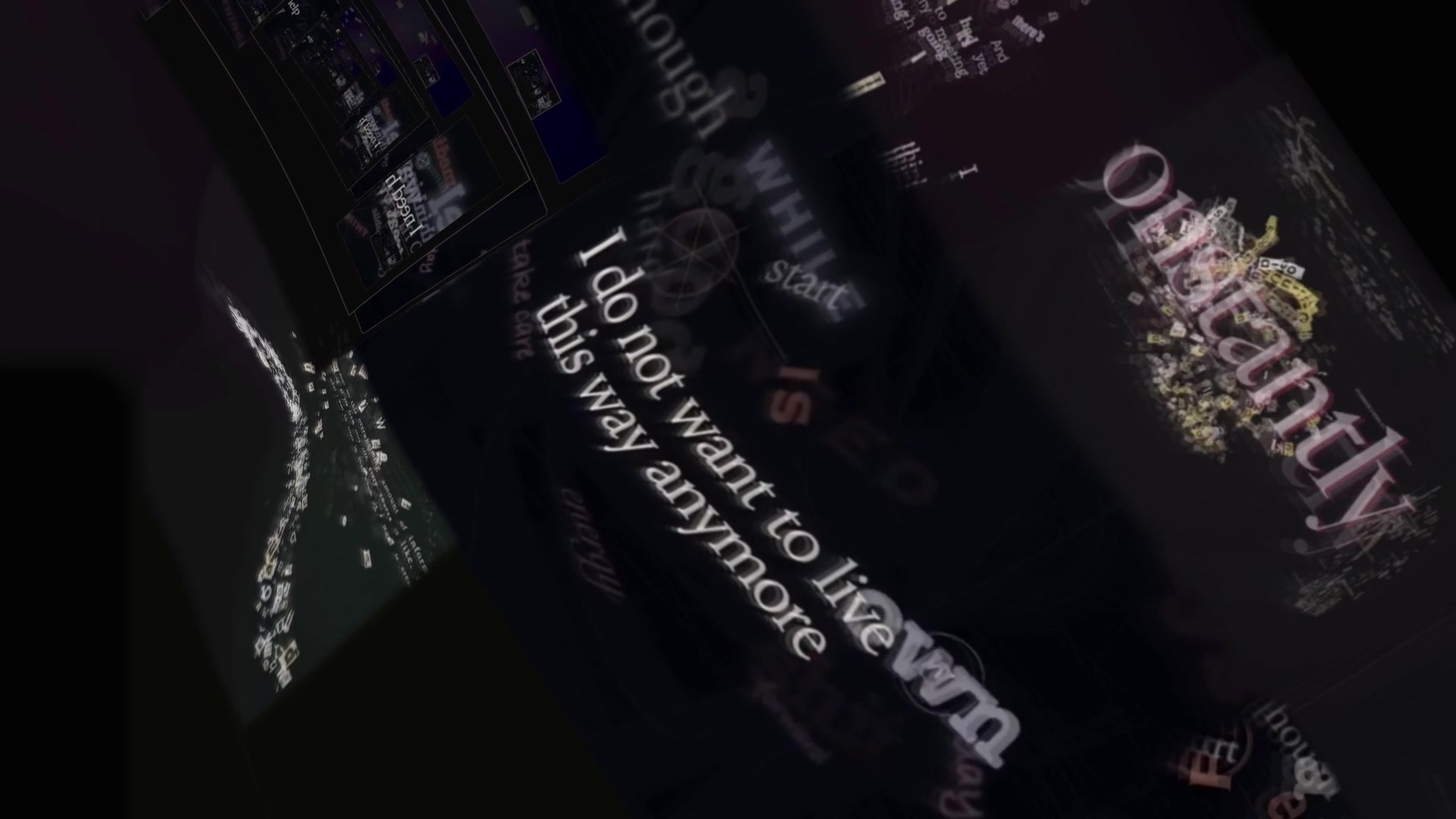
In Word Hole, there are many, many competing thoughts going over and over in my head, in different iterations, constantly competing for more attention and shifting the narrative. That narrative is often purely in my own head and not tied to reality. I wanted to let people inside my head. This is what it feels like 90% of the day, when my brain is always on overdrive.